Overview: Natural Latex in the Mattress World
Natural latex mattresses have long stood as a symbol of comfort and durability in the bedding industry. They’re crafted from latex sap derived from rubber trees, processed into a flexible foam that can be Dunlop or Talalay in manufacture. The choice between Dunlop and Talalay influences feel, density, and performance, which in turn impacts pressure relief, responsiveness, cooling, and long-term durability. For many sleepers, natural latex offers a balance of contouring comfort and resilience that can outlast synthetic foams.
To understand latex beds, it helps to know the core differences between the two most common processes. Dunlop latex generally yields a denser, more consistent core with a slightly firmer feel, often chosen for its support and durability. Talalay latex, by contrast, tends to be lighter and more breathable, with a softer initial feel and a more uniform cell structure that can translate to more pronounced pressure relief on the surface. Both processes can be complemented by organic fabrics and certified materials to produce mattresses that appeal to eco-conscious sleepers and those with chemical sensitivities.
Beyond the core layer, the cover materials, quilted comfort layers, and edge support architecture all contribute to how a latex mattress performs in real life. When evaluating options, readers should consider firmness targets, sleeping position preferences, temperature regulation, and allergy considerations. A well-constructed natural latex mattress can support spinal alignment while offering a buoyant surface that responds to movement without the “sticking” feel sometimes associated with memory foam.
Key factors in evaluating latex mattress performance
To compare options effectively, use a simple checklist that focuses on core performance metrics and certifications. The following factors repeatedly prove decisive for comfort, longevity, and sleep health.
- Pressure relief vs. support: Latex mattresses offer a spectrum from plush to firm. Consider your typical sleeping position and any pressure points (shoulders, hips) that could benefit from a tailored latex density and layering approach.
- Responsiveness and bounce: The feel of latex ranges from buoyant to more responsive, aiding ease of movement. For those who prefer to switch positions during the night, a responsive latex can reduce sleep disruption.
- Cooling and breathability: Natural latex breathes well, especially when paired with ventilated covers and breathable quilt layers. Talalay varieties can offer enhanced micro-ventilation, while Dunlop cores often feel denser but durable.
- Durability and sag resistance: Latex tends to resist sagging better than many synthetic foams, particularly with a robust edge support system. Look for the coil or foam support core beneath where applicable and the overall height of the mattress.
- Certifications and materials: Seek mattresses with GOTS, GOLS, Oeko-Tex, or Global Organic Textile Standard certifications for fabrics and latex. Certifications help ensure the product aligns with safety and environmental expectations.
- Hypoallergenic properties: For sensitive sleepers, consider organic latex with low-VOC finishes and minimal chemical treatments. Silk- or wool-free construction options may also be relevant for certain sensitivities.
Brand considerations and a brand-agnostic approach
When comparing latex mattresses, you’ll encounter brands with long-standing reputations for quality, like Vispring and Naturepedic, alongside newer or niche makers. A brand-agnostic approach puts the mattress’s materials, construction, and certifications at the center of your decision. It also helps you avoid sales pressure by focusing on your sleep health goals rather than marketing promises.
Two notable brands frequently highlighted in credible guides are Vispring, known for luxury spring-and-latex hybrids with traditional craftsmanship, and Naturepedic, which emphasizes organic materials and transparent certification. Each brand offers latex options that align with particular preferences—whether you prioritize pure organic composition, a specific firmness range, or a customizable layering system. While the market evolves, the basic principles of evaluating latex cores, covers, and certifications remain essential to making a sound decision.
Readers should also consider future maintenance, such as cleaning guidelines and topper compatibility. For example, a latex mattress often pairs well with breathable toppers that can add a modest adjustability to firmness without compromising the core latex performance. Always review care instructions and warranty terms, and be mindful of any cleaning agents that could impact latex integrity over time.
Three key individuals through time: shaping sleep science and mattress design
Across generations, thoughtful thinkers and trailblazers have influenced how we approach sleep, comfort, and materials. Here are three influential figures from different eras who have left their imprint on how we understand latex, bedding, and healthy sleep.
1) Pierre de Gournay (17th–18th centuries, France) — Craft and comfort in early textile luxury
A historical voice reminding us that comfort traces its roots to high craftsmanship and material selection.
In an era when textiles defined prestige, artisans like Pierre de Gournay championed careful selection of natural fibers and hand-finishing techniques. While not about latex, his emphasis on quality materials and expert construction informs modern mattress makers who seek to combine natural components with durability. The thread here is timeless: comfort begins with integrity of materials, then is refined by thoughtful engineering.
2) Dr. Ellen S. Kline (late 19th–early 20th century, United States) — Sleep science pioneer
A physician-researcher who helped lay groundwork for understanding sleep’s health impact.
Dr. Kline’s era marked a shift from anecdotal beliefs about sleep to empirical inquiry. While latex mattresses are a modern development, her insistence on empirical evidence and patient health remains a guiding principle for today’s sleep education. In the latex context, this translates to evaluating how materials, airflow, and support influence spinal alignment and restfulness rather than marketing narratives alone.
3) Dr. Sarah Nakamura (mid- to late 20th century, Japan/United States) — Ergonomics in bedding
A scholar who connected sleep ergonomics with product design.
Dr. Nakamura’s work underscored how sleep posture and surface interactions affect comfort and recovery. Contemporary latex mattress design borrows from ergonomics to tailor zoning, firmness gradients, and surface tension. Her legacy is a reminder that the best sleep surfaces support natural spinal curves while accommodating movement—principles still at the heart of latex mattress development and evaluation.
Brand-guides and care guidance for latex mattresses
When navigating brand choices, look for loyalists who publish transparent care instructions and clear warranty information. Even among premium latex mattresses, performance can hinge on supporting layers, edge geometry, and the cover’s breathability. A few practical tips to help you compare brands without feeling pressured:
- Ask about the latex type (Dunlop vs. Talalay) and the density range in the comfort and transition layers.
- Review the cover materials and any added comfort layers that influence temperature and contour.
- Check for third-party certifications that validate organic content, chemical safety, and environmental impact.
- Look for a fair trial period and transparent return policy so you can assess performance at home.
For readers who want a concrete product example to understand the point, consider a latex-driven setup that emphasizes natural materials, precise zoning, and robust support. The Naturepedic EOS Classic Mattress, for instance, offers organic components and adjustable layering that align with an approach focused on safety and customization. While the mattress landscape evolves, this example demonstrates how organic materials and modular design can translate to real-world sleep benefits.
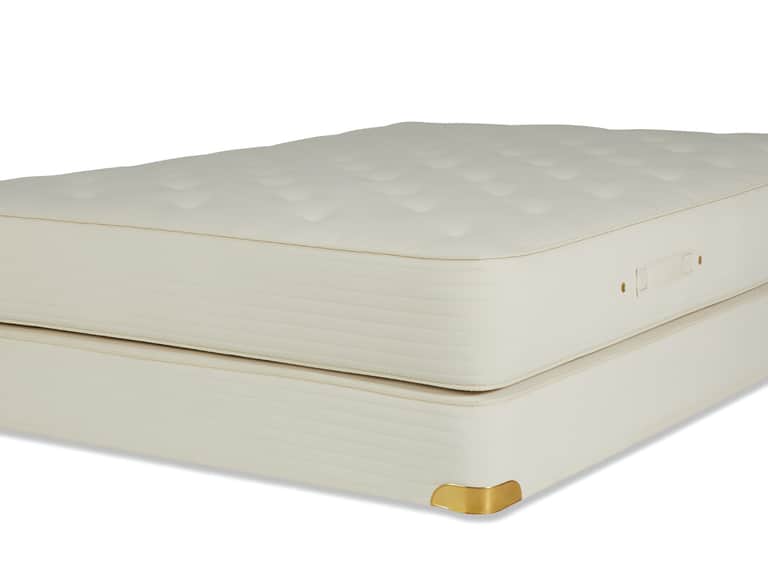
In addition, consider the Royal-Pedic Natural Collection Cotton Mattress, a model noted for its emphasis on long-staple cotton and a Swiss-designed spring system. While this particular mattress might require a doctor’s note under certain product lines, it embodies a tradition of high craftsmanship and a materials-first ethos that resonates with today’s emphasis on non-toxic sleeping surfaces. When evaluating latex-based alternatives, observe how well the core system integrates with natural fabrics and a breathable cover to maintain a cool, comfortable night’s rest.
A practical buying plan: how to compare natural latex mattresses
To help readers translate theory into action, here’s a concise, step-by-step plan you can follow when shopping for a natural latex mattress. It combines the educational angle with a structured, brand-agnostic evaluation approach, ensuring you prioritize sleep health over promotional language.
- Define your sleep priorities: firmness range, sleeping position, temperature sensitivity, and any allergies.
- Identify core materials: natural latex (Dunlop or Talalay), organic fabrics, and any additives or fire-protection methods.
- Compare core construction: single-layer latex vs. multi-layer configurations and how they affect contour and support.
- Examine certifications: GOTS, GOLS, OEKO-TEX, and other safety or sustainability marks.
- Assess durability signals: warranty length, density ranges, and edge support engineering.
- Review care and maintenance: cleaning guidelines and topper compatibility to extend life.
- Take advantage of trial periods: use a home trial to verify comfort and support.
Conclusion: a health-first approach to natural latex
Natural latex mattresses offer a compelling combination of durability, support, and breathability, especially when paired with thoughtful cover materials and well-engineered layering. By focusing on the materials, construction, and independent certifications, readers can separate product hype from sleep health benefits. The brand-agnostic lens keeps the emphasis where it belongs: on how the mattress feels, how it supports healthy alignment, and how reliably it maintains comfort over years of use.
If you’re ready to explore options with a focus on organic content and performance, consider stepping into the latex landscape with brands that share transparent materials lists and clear care instructions. The goal is simple: a restful, restorative night that supports your daytime vitality, free from pressure tactics and marketing flash. That’s the promise of a well-chosen natural latex mattress—a promise that endures long after the first night’s sleep.